Promoting Digital Citizenship: Essential Skills for US Students
Anúncios
Promoting Digital Citizenship: Essential Skills for US Students in 2025 and Beyond focuses on equipping young Americans with the necessary competencies to navigate the complex digital landscape safely, ethically, and responsibly.
Anúncios
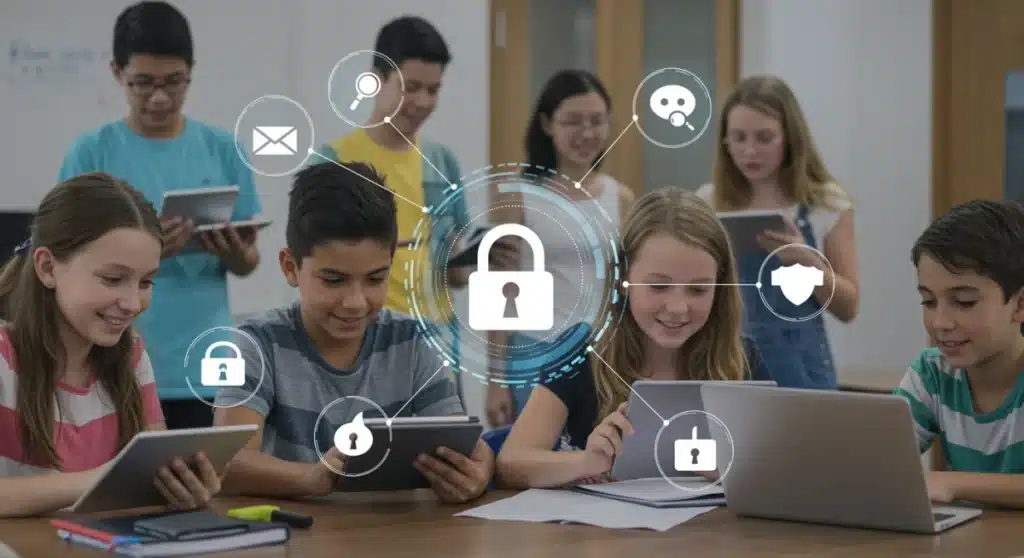
In an increasingly interconnected world, where digital interactions shape our daily lives, understanding and practicing digital citizenship skills has become paramount, especially for US students. As we look towards 2025 and beyond, equipping the next generation with the tools to navigate the online realm responsibly is not just beneficial, but absolutely essential for their safety, well-being, and future success.
Anúncios
Understanding the Landscape of Digital Citizenship
Digital citizenship encompasses a broad range of behaviors and competencies that enable individuals to use technology effectively and ethically. For US students, this means more than just knowing how to operate a device; it involves understanding the implications of their online actions, respecting digital rights, and contributing positively to digital communities.
The digital landscape is constantly evolving, presenting both immense opportunities and significant challenges. From educational resources to social platforms, students are immersed in a world that demands a nuanced understanding of digital interactions. This foundational understanding is the cornerstone upon which all other digital skills are built, ensuring that students can adapt to new technologies and platforms with a responsible mindset.
The Pillars of Responsible Digital Engagement
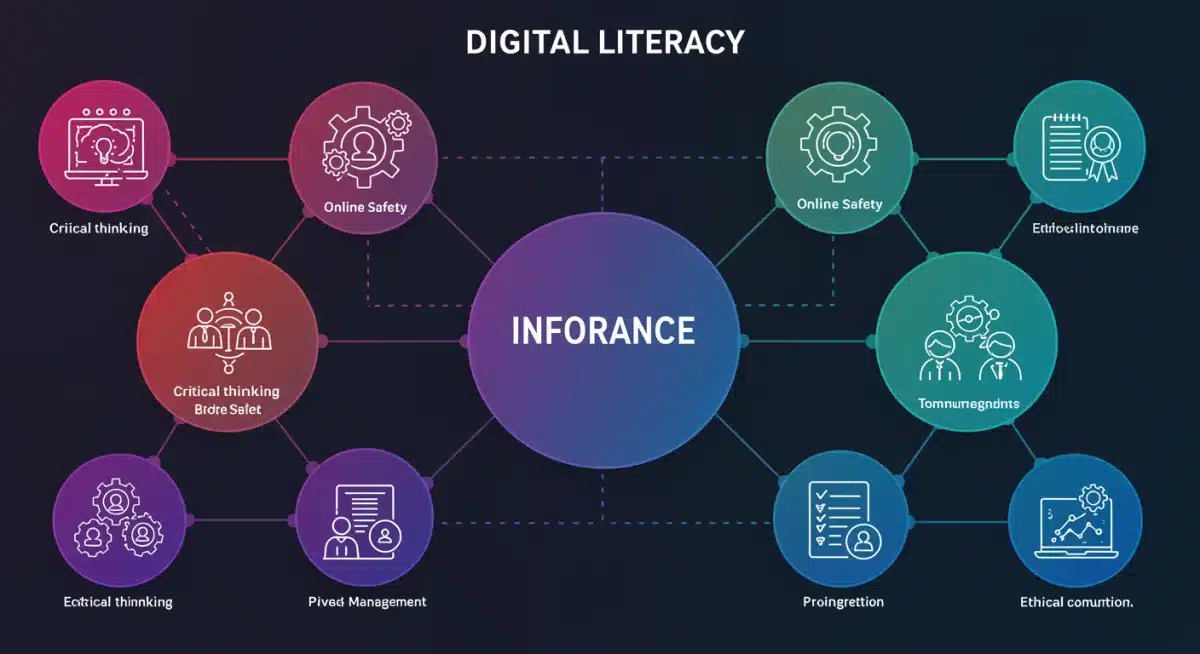
Responsible digital engagement is built upon several key pillars that guide students in their online interactions. These pillars are interconnected and reinforce each other, creating a comprehensive framework for digital citizenship.
- Digital Literacy: The ability to find, evaluate, create, and communicate information effectively using digital technologies.
- Online Safety and Security: Protecting personal information, recognizing and avoiding online threats, and understanding cybersecurity basics.
- Digital Ethics and Etiquette: Adhering to appropriate online behavior, respecting intellectual property, and understanding the impact of digital communication.
- Digital Rights and Responsibilities: Understanding rights to privacy and free speech online, while also recognizing responsibilities to others.
By focusing on these pillars, educators and parents can provide a structured approach to teaching digital citizenship. This holistic view ensures that students develop a well-rounded understanding of their role in the digital world, moving beyond mere technical proficiency to embrace ethical and responsible practices.
Ultimately, a deep understanding of the digital landscape is not just about avoiding pitfalls, but about harnessing the power of technology for positive change. It’s about empowering students to be creators, innovators, and thoughtful participants in a global digital society, equipped to face the complexities of 2025 and beyond with confidence and integrity.
Online Safety and Cybersecurity for Young Minds
In an era where cyber threats are increasingly sophisticated, equipping US students with robust online safety and cybersecurity skills is non-negotiable. This involves teaching them how to protect their personal information, recognize deceptive content, and understand the basic principles of digital security.
The internet can be a vast and valuable resource, but it also harbors risks such as phishing, cyberbullying, and privacy breaches. Students need to develop a critical eye and a cautious approach to online interactions, understanding that not everything they encounter online is trustworthy or safe. This proactive approach to online safety begins with awareness and extends to practical protective measures.
Protecting Personal Information
Students must learn the importance of safeguarding their personal data. This includes understanding what constitutes personal information and why it should not be shared indiscriminately online.
- Strong Passwords: Creating unique, complex passwords and using multi-factor authentication.
- Privacy Settings: Understanding and utilizing privacy settings on social media and other platforms.
- Information Sharing: Being discerning about what personal details to share with whom, and recognizing the permanence of online content.
Beyond personal data, students should also be aware of the digital footprint they leave behind. Every like, share, and comment contributes to their online identity, which can have long-lasting implications for their academic and professional futures. Teaching them to curate a positive digital presence is a vital component of online safety.
Recognizing and Responding to Online Threats
Cybersecurity is not just about prevention; it’s also about knowing how to respond when threats emerge. Students need to be able to identify common online threats and understand the steps to take if they encounter them.
Phishing scams, malware, and identity theft are real dangers that can affect anyone, regardless of age. Educating students on the red flags associated with these threats, such as suspicious links or unsolicited requests for personal information, empowers them to make informed decisions and avoid falling victim to malicious actors.
Furthermore, addressing cyberbullying is a critical aspect of online safety. Students need to understand what cyberbullying is, how to report it, and the importance of being an upstander rather than a bystander. Fostering a supportive online environment where students feel safe to report incidents is key to combating this pervasive issue.
By integrating these online safety and cybersecurity principles into their education, US students will be better prepared to navigate the complexities of the digital world securely. This preparedness will not only protect them but also contribute to a safer and more responsible online community for everyone.
Promoting Ethical Behavior and Digital Etiquette
Ethical behavior and digital etiquette are fundamental components of digital citizenship skills, guiding US students on how to interact respectfully and responsibly in online spaces. These skills extend beyond mere technical proficiency, focusing on the human element of digital interactions and the impact of one’s actions on others.
Just as there are unwritten rules of conduct in physical society, a similar set of norms applies to the digital realm. Understanding these norms helps students foster positive relationships, avoid misunderstandings, and contribute to a constructive online environment. As digital platforms become increasingly integral to communication, the ability to engage ethically and courteously is more important than ever.
The Golden Rules of Online Interaction
Teaching students the core principles of digital etiquette can significantly improve their online conduct. These rules are often simple but have a profound impact on how they are perceived and how they interact with their peers.
- Respectful Communication: Using appropriate language, avoiding hate speech, and engaging in constructive dialogue.
- Empathy Online: Considering the feelings of others before posting or commenting, and understanding the potential impact of their words.
- Privacy Respect: Not sharing private information or images of others without their consent.
These rules are not just about avoiding negative consequences; they are about building a positive digital identity and fostering a reputation as a thoughtful and considerate individual. Encouraging students to pause and reflect before they post can prevent many regrettable online incidents.
Understanding the Impact of Digital Actions
Students must grasp that their digital actions have real-world consequences. What they post online can affect their relationships, their academic standing, and even their future career opportunities. This understanding is crucial for promoting self-regulation and responsible decision-making.
Discussions around digital footprints and online permanence are vital. Students often operate under the misconception that online content is ephemeral or easily deleted. Highlighting the lasting nature of digital information can encourage them to be more cautious and intentional about what they share and how they present themselves.
Furthermore, addressing issues like plagiarism and copyright in the digital age is essential. Students need to understand the importance of citing sources, respecting intellectual property, and generating original content. This not only upholds academic integrity but also prepares them for ethical practices in professional settings.
By prioritizing ethical behavior and digital etiquette, educators help US students develop into responsible digital citizens who contribute positively to online communities. These skills are critical for navigating the complexities of the digital world with integrity and respect, ensuring a more harmonious and productive online experience for everyone.
Critical Thinking and Media Literacy in the Digital Age
In an age saturated with information, developing critical thinking and media literacy skills is crucial for US students. These competencies enable them to evaluate the vast amount of digital content they encounter, distinguish between reliable and unreliable sources, and understand the intent behind various media messages.
The proliferation of fake news, misinformation, and biased content online poses a significant challenge to informed decision-making. Students need to be equipped with the tools to critically analyze what they see and read, rather than passively accepting information. This active engagement with digital content is a cornerstone of effective digital citizenship.
Navigating the Information Overload
The sheer volume of information available online can be overwhelming. Students must learn strategies to effectively search, filter, and synthesize information, ensuring they are accessing credible and relevant sources.
- Source Evaluation: Assessing the credibility, bias, and authority of websites, articles, and social media posts.
- Fact-Checking: Utilizing fact-checking tools and multiple sources to verify information.
- Identifying Bias: Recognizing personal, political, or commercial biases in media content.
Teaching students to question what they consume and to seek out diverse perspectives helps them develop a more nuanced understanding of complex issues. This process of critical inquiry is not just about identifying falsehoods but also about constructing a well-informed worldview.
Understanding Media Intent and Impact
Media literacy also involves understanding how media messages are constructed and for what purpose. Students need to recognize that all media has an agenda, whether explicit or implicit, and that this agenda can influence their perceptions and beliefs.
Analyzing different forms of media, from advertisements to news reports, helps students deconstruct messages and understand the techniques used to persuade or inform. This includes recognizing rhetorical devices, visual cues, and emotional appeals that shape audience response.
Furthermore, students should explore the impact of social media algorithms on their information consumption. Understanding how these algorithms personalize content can shed light on the formation of echo chambers and filter bubbles, encouraging them to actively seek out diverse viewpoints beyond their personalized feeds.
By fostering critical thinking and media literacy, US students will become more discerning consumers and creators of digital content. These essential digital citizenship skills empower them to navigate the digital age with intellectual independence, contributing to a more informed and engaged citizenry.
Digital Rights, Responsibilities, and Participation
Understanding digital rights, responsibilities, and the importance of active participation forms another crucial pillar of digital citizenship skills for US students. This dimension focuses on empowering students to advocate for their rights while recognizing their obligations to the digital community, fostering a sense of shared ownership and collective well-being.
Just as citizens have rights and responsibilities in a democratic society, these principles extend to the digital realm. Students need to comprehend their right to privacy, freedom of expression, and access to information, alongside their responsibility to respect the rights of others and contribute positively to digital spaces. This balance is vital for a healthy and equitable online environment.
Advocating for Digital Rights
Students should be educated about their fundamental digital rights and how to protect them. This knowledge empowers them to identify when their rights are being infringed upon and to take appropriate action.
- Right to Privacy: Understanding data collection practices and advocating for personal data protection.
- Freedom of Expression: Exercising their right to free speech while understanding its limitations and responsibilities.
- Access and Equity: Advocating for equal access to digital resources and opportunities for all.
Discussions around data privacy policies, terms of service, and online content moderation can help students understand the complexities of digital governance. Empowering them to question and challenge practices that undermine their rights fosters a generation of informed digital advocates.
Embracing Digital Responsibilities
Alongside rights come responsibilities. Students must recognize that their online actions have consequences and that they have an obligation to contribute positively to digital communities. This includes promoting inclusivity, combating online harassment, and upholding ethical standards.
The concept of digital empathy is central here. Encouraging students to consider the impact of their words and actions on others fosters a more compassionate online environment. This involves teaching them to be upstanders against cyberbullying and to report harmful content or behavior.
Furthermore, students have a responsibility to contribute to the creation of valuable and accurate digital content. Whether it’s through academic projects, creative endeavors, or civic engagement, their contributions can enrich the online landscape and combat the spread of misinformation.
By understanding and actively engaging with their digital rights and responsibilities, US students can become powerful agents of positive change. These skills are essential for building a digital future where everyone can participate safely, respectfully, and effectively, ensuring a vibrant and democratic online society for 2025 and beyond.
The Role of Educators and Parents in Fostering Digital Citizenship
The successful integration of digital citizenship skills into the lives of US students relies heavily on the collaborative efforts of educators and parents. These key stakeholders play indispensable roles in modeling responsible digital behavior, providing guidance, and creating supportive learning environments both at school and at home.
Educators are on the front lines, tasked with formally integrating digital citizenship into the curriculum. Parents, on the other hand, provide the crucial home environment where these lessons are reinforced and applied in daily life. A unified approach ensures consistency and strengthens the message that digital responsibility is a shared value.
Strategies for Educators
Teachers and school administrators have a unique opportunity to embed digital citizenship into various subjects, making it an integral part of the learning experience rather than a standalone topic.
- Curriculum Integration: Weaving digital citizenship lessons into subjects like English, social studies, and technology classes.
- Professional Development: Ensuring educators are well-versed in digital citizenship best practices and emerging trends.
- Creating Safe Spaces: Fostering open discussions about online challenges and providing resources for support.
Beyond formal lessons, educators can model responsible digital behavior themselves, demonstrating how to use technology ethically and respectfully. This includes thoughtful use of social media, proper citation of digital sources, and maintaining a professional online presence. Leading by example is a powerful teaching tool.
Empowering Parents for Digital Guidance
Parents are often the first line of defense and guidance for their children in the digital world. Equipping them with the knowledge and resources to support their children’s digital citizenship journey is paramount.
Workshops, online resources, and parent-teacher conferences can be effective avenues for sharing information about online safety, privacy settings, and healthy screen time habits. Parents need to feel confident in their ability to discuss these topics with their children and to set appropriate boundaries.
Furthermore, encouraging open communication between parents and children about online experiences is vital. Creating an environment where children feel comfortable sharing their online challenges without fear of judgment can help address issues like cyberbullying or exposure to inappropriate content promptly and effectively.
By working together, educators and parents can create a robust support system for US students, ensuring they develop strong digital citizenship skills. This collaborative effort is essential for preparing students to thrive in the complex digital landscape of 2025 and beyond, fostering a generation of responsible and resilient digital citizens.
Future Trends and Continuous Learning in Digital Citizenship
As technology continues its rapid evolution, so too must our approach to digital citizenship skills. For US students looking towards 2025 and beyond, continuous learning and adaptability will be key to navigating emerging digital trends, from artificial intelligence to immersive virtual environments.
The digital world is not static; new platforms, tools, and challenges emerge regularly. Therefore, digital citizenship cannot be taught as a one-time lesson but rather as an ongoing process of learning, adapting, and refining skills. This forward-looking perspective ensures that students remain prepared for the unforeseen complexities of future technologies.
Adapting to Emerging Technologies
Future digital citizens will need to understand the implications of technologies that are only just beginning to take hold. This includes the ethical considerations, privacy implications, and societal impacts of these advancements.
- Artificial Intelligence (AI): Understanding how AI works, its biases, and its role in information consumption and creation.
- Virtual and Augmented Reality (VR/AR): Navigating ethical interactions and personal safety in immersive digital environments.
- Blockchain and Cryptocurrencies: Grasping the basics of digital currencies and their associated security and privacy aspects.
Early exposure and critical discussion around these technologies can help students develop a proactive rather than reactive approach to digital change. This involves encouraging them to ask critical questions about how these technologies are designed, who benefits, and what potential harms they might present.
Lifelong Learning in the Digital Sphere
The concept of digital citizenship must evolve into a framework for lifelong learning. Students need to understand that their education in this area does not end with graduation but continues throughout their personal and professional lives.
Encouraging self-directed learning, critical engagement with new digital tools, and participation in ongoing discussions about digital ethics are vital. This fosters a mindset of continuous improvement and adaptation, ensuring that individuals remain competent and responsible digital citizens regardless of technological advancements.
Furthermore, promoting digital resilience – the ability to bounce back from online setbacks or negative experiences – is crucial. As students encounter new challenges, they need the emotional and intellectual tools to learn from these experiences and adapt their digital behaviors accordingly.
By embracing a future-oriented approach to digital citizenship, US students will be better equipped to not only survive but thrive in the ever-changing digital landscape. This commitment to continuous learning and adaptation ensures that they remain responsible, ethical, and effective participants in the global digital community for years to come.
| Key Skill Area | Brief Description |
|---|---|
| Online Safety | Protecting personal information and recognizing cyber threats. |
| Digital Ethics | Practicing respectful and responsible online behavior. |
| Media Literacy | Critically evaluating digital content and sources. |
| Digital Rights | Understanding privacy and free speech in online spaces. |
Frequently Asked Questions About Digital Citizenship
Digital citizenship is vital because it equips students with the skills to navigate the complex online world safely and responsibly. It protects them from cyber threats, promotes ethical interactions, and prepares them for future academic and professional success in a digital-first society.
Core components include online safety and cybersecurity, digital ethics and etiquette, media literacy and critical thinking, and understanding digital rights and responsibilities. These areas collectively foster a holistic approach to responsible digital engagement for students.
Parents can support by modeling responsible digital behavior, discussing online experiences openly, setting clear boundaries for device usage, and utilizing available resources to educate themselves on online safety. Collaboration with schools is also highly beneficial.
Media literacy is crucial as it empowers students to critically evaluate digital content, discern reliable information from misinformation, and understand media bias. This skill is essential for making informed decisions and fostering intellectual independence in the digital age.
Digital citizenship will need to adapt by incorporating new skills for navigating AI, VR/AR, and other emerging technologies. This includes understanding ethical implications, data privacy in new contexts, and fostering continuous learning to stay abreast of technological advancements.
Conclusion
Promoting Digital Citizenship: Essential Skills for US Students in 2025 and Beyond is not merely an educational goal; it is a societal imperative. By instilling robust digital citizenship skills, we empower the next generation to navigate the complexities of the online world with confidence, integrity, and responsibility. The collaborative efforts of educators, parents, and policymakers are crucial in creating a supportive ecosystem where students can develop these vital competencies. As the digital landscape continues to evolve, a commitment to continuous learning and adaptability will ensure that US students remain thoughtful, ethical, and engaged participants, shaping a positive and productive digital future for all.