2026 Fed Rate Hikes: Protecting Your Investments
Anúncios
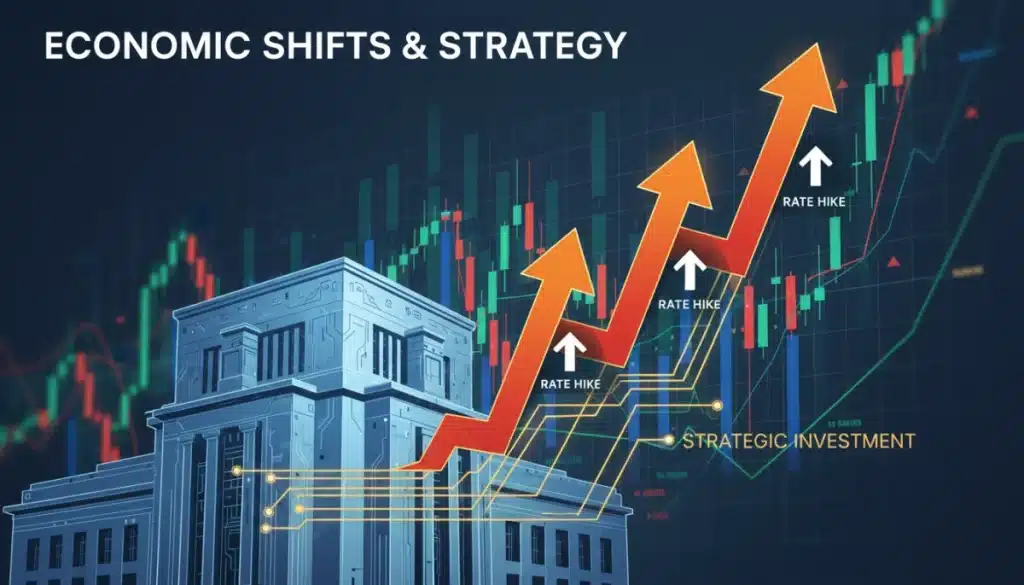
Understanding and preparing for the 2026 Federal Reserve interest rate hikes is crucial for safeguarding and optimizing your investment portfolio against potential market shifts.
Anúncios
Navigating the 2026 Federal Reserve Interest Rate Hikes: A Comprehensive Guide to Protecting Your Investments is a critical topic for every investor. As we approach 2026, the anticipated Federal Reserve interest rate adjustments could significantly reshape the financial landscape, demanding proactive strategies to shield and grow your wealth.
Anúncios
Understanding the Federal Reserve’s Role and Future Outlook
The Federal Reserve, often simply called the Fed, plays a pivotal role in the U.S. economy by influencing monetary policy. Its primary tools include adjusting the federal funds rate, which in turn impacts borrowing costs, inflation, and ultimately, investment returns. Understanding their motivations and projections for 2026 is the first step in preparing your portfolio.
Historically, the Fed raises interest rates to combat inflation and cool down an overheating economy. Conversely, they lower rates to stimulate growth during economic downturns. The expected hikes in 2026 are largely seen as a continuation of efforts to normalize monetary policy after periods of extraordinary accommodation, aiming for long-term economic stability.
Key Economic Indicators to Monitor
Investors should closely watch several economic indicators that influence the Fed’s decisions. These provide insights into the likelihood and magnitude of future rate adjustments, allowing for more informed investment choices.
- Inflation Rates: The Consumer Price Index (CPI) and Personal Consumption Expenditures (PCE) are crucial. Persistent high inflation often signals the need for rate increases.
- Employment Data: The unemployment rate and non-farm payrolls reflect the health of the labor market. A strong job market gives the Fed more leeway to raise rates.
- GDP Growth: Gross Domestic Product indicates overall economic activity. Robust growth might encourage the Fed to tighten monetary policy.
- Global Economic Health: International economic conditions and geopolitical events can also influence the Fed’s decisions, as the U.S. economy is interconnected globally.
By keeping an eye on these indicators, investors can better anticipate the Fed’s moves and adjust their strategies accordingly. A clear understanding of the Fed’s mandate – maximum employment and stable prices – helps in interpreting their actions and potential future policies.
In essence, the Fed’s future outlook for 2026 will be a dynamic response to evolving economic conditions. Staying informed about these underlying forces is paramount for any investor aiming to protect and grow their assets amidst potential rate hikes. Proactive monitoring and analysis are critical components of a sound financial strategy.
Impact of Interest Rate Hikes on Different Asset Classes
Interest rate hikes by the Federal Reserve do not affect all asset classes equally. Understanding these differentiated impacts is crucial for strategic portfolio adjustments. Fixed-income, equities, real estate, and alternative investments each react uniquely to rising rates, presenting both challenges and opportunities for investors.
When interest rates rise, the cost of borrowing increases, which can slow economic growth. This ripple effect can be felt across various markets, influencing everything from corporate earnings to consumer spending. Investors need to be aware of these dynamics to position their portfolios defensively yet opportunistically.
Fixed-Income Investments
Bonds and other fixed-income instruments are generally inversely affected by rising interest rates. Existing bonds with lower coupon rates become less attractive compared to newly issued bonds offering higher yields. This typically leads to a decrease in the market value of older bonds.
- Bond Prices: As new bonds offer higher yields, the market value of existing bonds with lower fixed yields tends to fall.
- Yields: New bond issues will likely offer higher yields, which can be beneficial for investors looking to reinvest.
- Duration Risk: Bonds with longer maturities are more sensitive to interest rate changes, experiencing greater price fluctuations.
For investors heavily invested in fixed income, considering shorter-duration bonds or inflation-protected securities (TIPS) might be prudent to mitigate risk during a rising rate environment. Diversifying within fixed income can also help cushion the impact.
Equity Markets
The impact on equities is more nuanced. While higher borrowing costs can reduce corporate profits, leading to lower stock valuations, certain sectors might perform better than others. Growth stocks, which rely heavily on future earnings, can be particularly vulnerable, as higher discount rates reduce the present value of those future earnings.
Value stocks, often characterized by strong current cash flows and lower debt levels, might prove more resilient. Sectors like financials, which benefit from wider net interest margins, or utilities, which offer stable dividends, could also see relative outperformance.
Real Estate and Alternatives
Rising interest rates typically increase mortgage costs, which can cool down the housing market and impact real estate valuations. For commercial real estate, higher borrowing costs can affect development projects and property values. However, certain alternative investments, such as commodities or hedge funds, might offer diversification and potential hedges against inflation, depending on their specific strategies.
In summary, the 2026 Fed rate hikes will necessitate a careful review of your asset allocation. A diversified approach, coupled with an understanding of how each asset class is likely to react, will be key to protecting your investments.
Strategic Adjustments for Your Investment Portfolio
As the prospect of 2026 Federal Reserve interest rate hikes looms, making strategic adjustments to your investment portfolio becomes paramount. These adjustments aren’t about panic selling, but rather about rebalancing and repositioning to optimize returns and minimize risks in a changing economic climate. A thoughtful approach can turn potential challenges into opportunities.
The goal is to align your portfolio with the new realities of higher borrowing costs and potentially slower economic growth. This often involves a shift from assets that thrive in low-rate environments to those that are more resilient or even benefit from rising rates.
Rebalancing Your Portfolio
One of the most immediate steps is to review and potentially rebalance your asset allocation. This might mean reducing exposure to long-duration bonds and growth stocks, which are typically more sensitive to rising rates, and increasing allocations to other areas.
- Reduce Long-Duration Bonds: Consider shifting towards shorter-duration bonds or bond funds, which are less sensitive to interest rate fluctuations.
- Evaluate Growth vs. Value Stocks: While growth stocks may face headwinds, value stocks, often with strong balance sheets and consistent dividends, might offer more stability.
- Increase Exposure to Financials: Banks and other financial institutions often benefit from higher interest rates, as their net interest margins expand.
Rebalancing should always be done in alignment with your personal risk tolerance and financial goals. It’s not a one-size-fits-all strategy, but rather a tailored approach to your unique circumstances.
Considering Alternative Investments and Hedging Strategies
Beyond traditional asset classes, exploring alternative investments can provide diversification and potential hedges against inflation and market volatility. These can include real assets or specific funds designed to perform well in rising rate environments.
For instance, certain commodities can act as an inflation hedge. Real estate, particularly income-generating properties, can also offer a degree of protection, though rising mortgage rates need to be factored in. Additionally, some investors might explore structured products or derivatives to hedge against specific risks, though these often come with higher complexity and risk.
Strategic adjustments are about being proactive, not reactive. By carefully assessing your current portfolio and making informed changes, you can better prepare for the 2026 Fed Rate Hikes and protect your investments effectively.
Sector-Specific Opportunities and Risks
The anticipated 2026 Federal Reserve interest rate hikes will create a varied landscape across different economic sectors. While some industries may face headwinds due to increased borrowing costs and dampened consumer spending, others could find themselves in a position to thrive. Identifying these sector-specific opportunities and risks is vital for investors seeking to optimize their portfolios.
A granular understanding of how various sectors are structured and financed will reveal their vulnerability or resilience to monetary policy shifts. This involves looking beyond broad market trends and focusing on the underlying fundamentals of each industry.
Sectors That May Benefit
Certain sectors are historically known to perform well or at least remain stable during periods of rising interest rates. These often include industries with strong pricing power, low debt, or those that directly benefit from higher rates.
- Financials: Banks, insurance companies, and other financial institutions often see increased profitability as net interest margins expand. They can charge more for loans while the cost of deposits may not rise as quickly.
- Energy: As a commodity-driven sector, energy can act as an inflation hedge. Higher energy prices often accompany inflationary pressures, benefiting companies in this industry.
- Utilities: These are typically stable, dividend-paying companies with regulated earnings. While sensitive to higher borrowing costs for infrastructure projects, their essential services provide consistent demand.
Sectors Facing Headwinds
Conversely, some sectors are more susceptible to the negative impacts of rising interest rates. These often include industries that rely heavily on consumer discretionary spending or significant debt financing.

- Technology (Growth Stocks): Many technology companies are valued on future growth potential. Higher discount rates diminish the present value of these future earnings, making them less attractive.
- Consumer Discretionary: Industries like retail, automotive, and leisure often suffer as consumers face higher borrowing costs for big-ticket items and may cut back on non-essential spending.
- Real Estate (Highly Leveraged Developers): Companies with significant debt used for development and acquisition can face higher financing costs, impacting project viability and profitability.
By understanding these sector-specific dynamics, investors can strategically adjust their holdings, potentially overweighting sectors that are likely to benefit and underweighting those that face greater risks. This proactive approach is a cornerstone of protecting investments during the 2026 Fed Rate Hikes.
Long-Term Investment Strategies Beyond 2026
While the immediate focus is on Navigating the 2026 Federal Reserve Interest Rate Hikes, a truly robust investment strategy extends far beyond the short-term horizon. Long-term planning, rooted in diversification, disciplined investing, and continuous education, is crucial for sustained wealth accumulation and resilience against future economic shifts. The market is dynamic, and a forward-looking perspective ensures your portfolio is prepared for whatever comes next.
The principles of long-term investing remain constant, even as economic conditions evolve. These strategies emphasize patience, a clear understanding of risk, and a commitment to financial goals that transcend temporary market fluctuations. It’s about building a foundation that can withstand various economic cycles.
The Power of Diversification and Asset Allocation
Diversification is not merely about spreading risk; it’s about creating a portfolio that can perform in different market conditions. Beyond 2026, maintaining a well-diversified portfolio across different asset classes, geographies, and sectors will be essential.
- Global Diversification: Don’t limit your investments to the U.S. market. Global diversification can reduce risk and capture growth opportunities from various economies.
- Cross-Asset Diversification: Include a mix of equities, fixed income, real estate, and potentially alternatives, ensuring that different assets react differently to economic changes.
- Sectoral Diversification: Avoid overconcentration in any single industry, even those currently performing well. Market leadership can shift over time.
Regularly reviewing and rebalancing your asset allocation to ensure it aligns with your long-term goals and risk tolerance is a cornerstone of this strategy. This disciplined approach helps prevent emotional decisions during market volatility.
Embracing Disciplined Investing and Continuous Learning
Successful long-term investing requires discipline, particularly during periods of market uncertainty. This includes sticking to your investment plan, avoiding impulsive reactions to news, and consistently contributing to your portfolio.
Dollar-cost averaging, where you invest a fixed amount regularly regardless of market fluctuations, is a powerful technique for mitigating risk and building wealth over time. Furthermore, continuous education about economic trends, financial instruments, and investment strategies will empower you to make informed decisions and adapt to new challenges. The financial world is always evolving, and staying informed is your best defense and offense.
Ultimately, while 2026 presents specific challenges, the core tenets of long-term investing—diversification, discipline, and education—will remain your most potent tools for protecting and growing your wealth for years to come.
Real-World Examples and Case Studies
Examining real-world examples and case studies provides invaluable insights into how investors have successfully navigated past periods of Federal Reserve interest rate hikes. Learning from historical events can help demystify the complexities of monetary policy and illustrate effective strategies for protecting your investments. While every cycle is unique, patterns of resilience and vulnerability often emerge.
Understanding these historical precedents helps to contextualize the challenges and opportunities presented by the anticipated 2026 rate hikes. It moves beyond theoretical concepts to demonstrate practical applications of investment principles.
The 1994 Bond Market Massacre
In 1994, the Federal Reserve initiated a series of aggressive rate hikes, increasing the federal funds rate from 3% to 6% within a year. This period became known as the ‘Bond Market Massacre’ because bond prices plummeted, causing significant losses for many fixed-income investors. This case highlights the acute sensitivity of long-duration bonds to rapid interest rate increases.
Investors who were heavily invested in long-term bonds without proper hedging or diversification experienced substantial capital depreciation. Conversely, those who had diversified into shorter-duration instruments or equities that benefited from a strengthening economy were better positioned. This serves as a stark reminder of the importance of duration management in fixed-income portfolios during rising rate environments.
The Early 2000s Tech Bubble Burst and Rate Hikes
Following the dot-com bubble burst in 2000, the Fed initially cut rates to stimulate the economy. However, as the economy recovered and inflation concerns emerged, rates began to rise again in the mid-2000s. This period saw a shift from growth-oriented tech stocks to value stocks and commodities.
- Value Stocks Outperformance: Companies with strong fundamentals and consistent earnings, often in traditional industries, performed relatively well.
- Commodity Boom: Rising global demand and inflationary pressures led to a surge in commodity prices, benefiting related investments.
- Real Estate Correction: While real estate initially boomed, rising rates eventually contributed to a housing market correction, culminating in the 2008 financial crisis.
These examples underscore that while rate hikes can create challenges, they also create opportunities for investors who are agile and willing to reallocate their capital to sectors and assets better suited for the new economic climate. Proactive adjustments, rather than reactive ones, are key to protecting your investments.
By studying these historical episodes, investors can glean valuable lessons on portfolio construction, risk management, and the importance of adapting to changing monetary policy. The 2026 Fed rate hikes, while unique, will likely present similar dynamics, making these past examples highly relevant.
Leveraging Professional Financial Advice
Navigating the 2026 Federal Reserve Interest Rate Hikes can be a complex endeavor, especially for individual investors. The intricacies of economic forecasting, market analysis, and portfolio optimization often require expertise that extends beyond what most people possess. This is where leveraging professional financial advice becomes an invaluable resource, offering tailored strategies and peace of mind.
A qualified financial advisor can provide a personalized roadmap, helping you understand the potential impacts of rate hikes on your specific financial situation and guiding you through the necessary adjustments. Their objective perspective can be crucial in times of market uncertainty.
When to Seek Professional Guidance
While some investors are comfortable managing their own portfolios, certain situations particularly warrant professional assistance. The impending 2026 rate hikes, with their broad implications, represent one such scenario.
- Complex Portfolios: If you have a diverse portfolio with various asset classes, a professional can help ensure optimal allocation and risk management.
- Retirement Planning: For those nearing or in retirement, protecting capital from inflation and market volatility is critical, and an advisor can craft strategies to preserve your nest egg.
- Time Constraints: If you lack the time or expertise to constantly monitor markets and economic indicators, an advisor can do this for you.
- Emotional Decision-Making: Advisors provide an objective viewpoint, helping you avoid impulsive decisions driven by fear or greed during volatile periods.
A good financial advisor will not only recommend investment products but also help you define your financial goals, assess your risk tolerance, and create a comprehensive financial plan that adapts to changing economic conditions, such as the 2026 Fed rate hikes.
What to Look for in a Financial Advisor
Choosing the right financial advisor is a crucial decision. Look for professionals who are fiduciaries, meaning they are legally obligated to act in your best interest. Certifications such as Certified Financial Planner (CFP®) indicate a high level of expertise and ethical standards.
Consider their experience, fee structure, and communication style. A transparent and trustworthy relationship with your advisor is paramount. They should be able to explain complex financial concepts in an understandable way and be responsive to your concerns. Ultimately, a strong partnership with a financial professional can significantly enhance your ability to navigate challenging economic environments and achieve your long-term financial objectives.
| Key Strategy | Brief Description |
|---|---|
| Diversify Portfolio | Spread investments across various asset classes and sectors to mitigate risk from rate hikes. |
| Rebalance Fixed Income | Shift from long-duration bonds to shorter-duration or inflation-protected securities. |
| Monitor Economic Indicators | Stay informed on inflation, employment, and GDP to anticipate Fed actions. |
| Seek Professional Advice | Consult a financial advisor for personalized strategies and guidance. |
Frequently Asked Questions About 2026 Fed Rate Hikes
Typically, interest rate hikes lead to higher interest rates on savings accounts, money market accounts, and Certificates of Deposit (CDs). This can be beneficial for savers, as their money earns a greater return over time, though it might not always keep pace with inflation.
For variable-rate mortgages, rate hikes will likely increase your monthly payments. Fixed-rate mortgages are unaffected. Potential homebuyers may face higher borrowing costs, which could cool the housing market and impact affordability for new loans.
It’s generally wise to avoid over-leveraging or concentrating heavily in long-duration bonds or highly speculative growth stocks that rely on cheap capital. These assets tend to be more vulnerable to significant downturns when interest rates are on the rise, increasing risk.
Commodities such as gold, oil, and agricultural products can often serve as an effective hedge against inflation, which often accompanies rising interest rates. Their prices tend to increase when the cost of living goes up, providing a potential counterbalance to other investments.
The Federal Reserve’s Federal Open Market Committee (FOMC) meets eight times a year to discuss monetary policy, including interest rates. However, they don’t adjust rates at every meeting. Decisions are based on current economic data and future outlooks, often in response to inflation or employment trends.
Conclusion
Navigating the 2026 Federal Reserve Interest Rate Hikes: A Comprehensive Guide to Protecting Your Investments is not merely an exercise in financial caution; it’s an opportunity for strategic growth. By understanding the Fed’s role, analyzing the impact on various asset classes, making informed portfolio adjustments, and leveraging professional advice, investors can transform potential challenges into avenues for strengthening their financial position. Proactive planning and a long-term perspective will be your strongest allies in the evolving economic landscape.