Healthcare Reform 2026: ACA Changes Impacting 10 Million Americans

Anúncios
The proposed 2026 reforms to the Affordable Care Act (ACA) are set to significantly alter healthcare access and affordability for approximately 10 million Americans, introducing new eligibility criteria and cost structures.
The landscape of healthcare in the United States is perennially dynamic, and 2026 is poised to bring significant shifts. The proposed changes to the Affordable Care Act (ACA) represent a critical juncture, potentially impacting the lives and well-being of over 10 million Americans. Understanding these impending alterations is not merely an academic exercise; it’s about grasping the tangible effects on families, individuals, and the broader economy. What do these reforms entail, and how might they reshape the healthcare experience for millions?
Anúncios
Understanding the Affordable Care Act’s Foundation
To fully appreciate the scope of the 2026 reforms, it’s essential to first revisit the foundational principles and objectives of the Affordable Care Act, commonly known as Obamacare. Enacted in 2010, the ACA sought to expand health insurance coverage, control healthcare costs, and improve the quality of care for all Americans. Its multifaceted approach targeted various aspects of the healthcare system, aiming to address long-standing issues of access and affordability.
Anúncios
The ACA introduced several key provisions that fundamentally reshaped the insurance market. Prior to its implementation, millions of Americans were uninsured, often due to pre-existing conditions or prohibitive costs. The law aimed to rectify these disparities by establishing a framework that promoted broader coverage.
Key Pillars of the ACA
- Guaranteed Issue: Insurers could no longer deny coverage or charge more based on health status.
- Essential Health Benefits: All plans sold on the marketplace had to cover a comprehensive set of services, including maternity care, mental health, and prescription drugs.
- Individual Mandate: Most Americans were required to have health insurance or pay a penalty, though this penalty was later repealed.
- Subsidies: Financial assistance was provided to help low and middle-income individuals and families afford premiums and out-of-pocket costs.
These core components worked in concert to create a more inclusive and regulated insurance market. The expansion of Medicaid to cover more low-income individuals was another cornerstone, significantly reducing the uninsured rate in participating states. The ACA’s impact has been widely debated, but its role in extending coverage to millions remains undeniable, setting the stage for any subsequent reforms.
In essence, the ACA established a new baseline for healthcare accessibility, ensuring that a greater number of Americans had pathways to obtaining health insurance. Its framework, particularly the subsidies and consumer protections, forms the backdrop against which the 2026 proposed changes will be evaluated, highlighting the critical nature of any adjustments to this established system.
Proposed Changes for 2026: A Closer Look
The year 2026 marks a pivotal moment for the Affordable Care Act, with several proposed changes on the table that could significantly alter its operational framework and impact on beneficiaries. These proposals stem from a combination of legislative initiatives, budgetary considerations, and evolving healthcare needs. Understanding the specifics of these proposed changes is crucial for grasping their potential widespread effects.
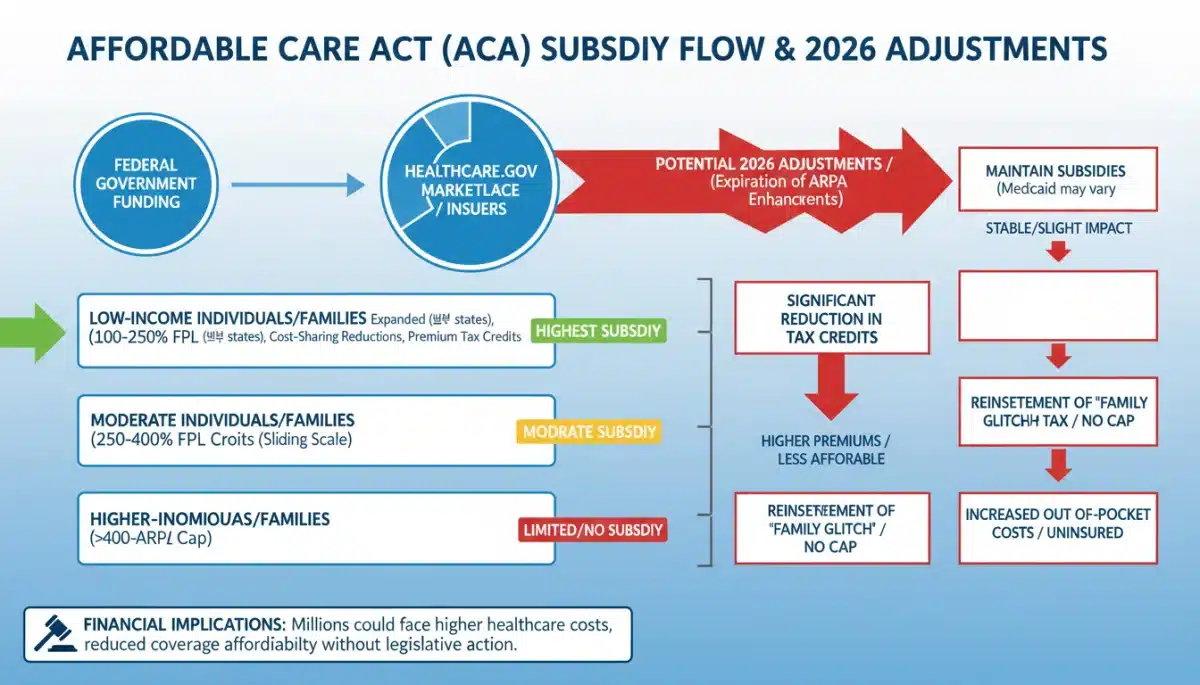
One of the primary areas targeted for reform involves adjustments to the federal subsidies that help millions afford their health insurance premiums. Currently, these subsidies are a cornerstone of the ACA’s affordability. Proposed alterations could see a recalibration of income thresholds or a modification of the subsidy calculation formula, directly influencing how much individuals and families pay out of pocket for their coverage.
Key Areas of Proposed Reform
- Subsidy Structure Revisions: Potential changes to income eligibility limits for premium tax credits and cost-sharing reductions.
- Essential Health Benefits Review: Discussions around modifying the mandatory services that all ACA-compliant plans must cover, potentially allowing for more flexibility but also raising concerns about comprehensive care.
- State Flexibility Enhancements: Proposals to grant states more autonomy in designing their own healthcare marketplaces and regulatory frameworks, which could lead to a patchwork of different rules across the nation.
- Medicaid Expansion Adjustments: While less direct, some proposals hint at shifts in federal funding for Medicaid, which could indirectly affect states that expanded their programs under the ACA.
These potential changes are not isolated; they are interconnected and could create a ripple effect throughout the healthcare system. For instance, a reduction in subsidies could lead to higher out-of-pocket costs, potentially making insurance unaffordable for some who currently rely on the ACA. Similarly, changes to essential health benefits might reduce premiums but could also mean fewer services are covered, shifting more financial burden onto consumers for specific treatments.
The debates surrounding these proposed changes are complex, balancing the desire for cost containment and increased market flexibility with the fundamental goal of maintaining comprehensive and affordable healthcare access. The specific details of these reforms will ultimately dictate their precise impact, but the discussion highlights a clear intention to re-evaluate key aspects of the ACA.
Who Will Be Affected? The 10 Million Americans at Stake
The projected impact of the 2026 ACA reforms on approximately 10 million Americans is a central concern. This figure represents a significant portion of the population that currently relies on the Affordable Care Act for their health insurance needs. Understanding who these individuals are and how they might be affected is vital for assessing the broader societal implications of the proposed changes.
The 10 million Americans likely to be impacted span various demographics and economic backgrounds. They include individuals who purchase insurance through state and federal marketplaces, those who qualify for Medicaid expansion, and even those whose employer-sponsored plans are indirectly influenced by ACA regulations. The direct effects will largely depend on the nature of the specific reforms enacted.
Demographics Most Vulnerable to Changes
- Low and Middle-Income Families: Those who currently receive significant premium tax credits and cost-sharing reductions could face higher out-of-pocket expenses.
- Individuals with Pre-Existing Conditions: While guaranteed issue is a core ACA protection, changes to essential health benefits or state flexibility could indirectly affect the comprehensiveness of their coverage.
- Young Adults: Who might be impacted by shifts in dependent coverage rules or changes to entry-level plan affordability.
- Rural Populations: Often have fewer insurance options and less competition, making them particularly sensitive to any changes in federal support or market regulations.
For many, even slight adjustments to subsidies or covered benefits could mean the difference between having affordable healthcare and struggling to pay for essential services. A reduction in federal assistance, for example, could force individuals to choose higher-deductible plans, delay necessary medical care, or, in the most severe cases, become uninsured.
The ripple effect extends beyond direct beneficiaries. Healthcare providers, hospitals, and local economies could also feel the strain if a significant number of people lose coverage or face increased financial barriers to care. The 10 million figure underscores the broad human element at the heart of these policy debates, emphasizing the need for careful consideration of every proposed alteration.
Potential Economic Consequences of the Reforms
Beyond the direct impact on individuals, the proposed 2026 ACA reforms carry significant potential economic consequences that could reverberate throughout the healthcare sector and the broader U.S. economy. These effects are complex, touching on everything from healthcare spending to employment and state budgets. Understanding these economic dimensions is crucial for a comprehensive assessment of the reforms.
One primary economic concern revolves around healthcare spending. If a substantial number of individuals lose coverage or face higher out-of-pocket costs, there could be a rise in uncompensated care, placing a greater financial burden on hospitals and emergency rooms. This, in turn, could lead to increased costs for insured individuals through higher premiums or taxes, as the system attempts to absorb these expenses.
Economic Ripple Effects
- Increased Uncompensated Care: Hospitals and providers may see a surge in patients unable to pay for services, leading to financial strain and potential closures, particularly in rural areas.
- Reduced Consumer Spending: If individuals spend more on healthcare, they have less disposable income for other goods and services, potentially dampening overall economic activity.
- Insurance Market Instability: Significant changes to subsidies or regulations could destabilize the individual insurance markets, leading to fewer insurers, higher premiums, and reduced choice.
- Impact on State Budgets: States that expanded Medicaid under the ACA could face new fiscal challenges if federal funding structures are altered, potentially forcing them to cut services or raise taxes.
Furthermore, changes to the ACA could influence employment within the healthcare sector. While the ACA’s implementation led to job growth in certain areas, reforms could lead to shifts in demand for healthcare services and personnel. Reductions in coverage or changes in provider reimbursement models could impact job stability and growth within hospitals, clinics, and insurance companies.
The overall economic health of the nation is intrinsically linked to the well-being of its citizens. A less healthy populace, stemming from reduced access to care, can lead to decreased productivity and increased long-term healthcare expenditures. Therefore, the economic implications of the 2026 ACA reforms extend far beyond the immediate financial impact on individuals, affecting the entire economic fabric of the United States.
Navigating the Legislative Landscape and Public Discourse
The path to implementing any significant changes to the Affordable Care Act in 2026 is fraught with legislative challenges and intense public discourse. Healthcare policy is a deeply divisive issue in American politics, and any proposed reforms are subject to rigorous debate, lobbying efforts, and public scrutiny. Understanding this complex legislative landscape is key to anticipating the final shape of the reforms.
Legislative proposals typically originate in Congress, requiring passage in both the House of Representatives and the Senate before reaching the President’s desk for signature. This process involves multiple committees, amendments, and often, bipartisan negotiations – or staunch opposition. Given the historical polarization surrounding the ACA, achieving consensus on major reforms is notoriously difficult.
Key Factors Influencing Legislation
- Political Will: The alignment of political parties in power, particularly the White House and Congress, significantly impacts the feasibility of passing major healthcare legislation.
- Public Opinion: Widespread public support or opposition can exert considerable pressure on lawmakers, influencing their voting decisions and the direction of reform efforts.
- Lobbying Efforts: Healthcare industry stakeholders, including insurance companies, pharmaceutical firms, and provider groups, actively lobby Congress to protect their interests, often shaping legislative outcomes.
- Fiscal Constraints: The national budget and economic forecasts play a crucial role, as any reforms must be considered in terms of their cost to taxpayers and their impact on the federal deficit.
Public discourse surrounding healthcare reform is often fueled by personal stories, economic analyses, and ideological perspectives. Advocacy groups on both sides of the debate work to mobilize support, educate the public, and influence policymakers. The media also plays a crucial role in shaping narratives and informing the public about the potential implications of proposed changes.
The legislative process is rarely straightforward, and compromises are often necessary to garner enough votes for passage. The final version of any 2026 ACA reforms may look significantly different from initial proposals, reflecting the complex interplay of political forces, public sentiment, and economic realities. Staying informed about these developments is essential for anyone interested in the future of American healthcare.
Preparing for Potential Changes: What Americans Can Do
Given the potential for significant changes to the Affordable Care Act in 2026, many Americans are naturally wondering how they can prepare and what steps they can take to navigate this evolving healthcare landscape. While the precise nature of the reforms remains uncertain, proactive measures can help individuals and families maintain access to coverage and manage their healthcare costs.
One of the most important steps is to stay informed. Regularly checking reliable news sources, government health websites, and reputable healthcare organizations for updates on legislative developments can provide crucial insights into impending changes. Understanding the specifics of any new policies will be key to making informed decisions about health insurance.
Actionable Steps for Preparation
- Review Current Coverage: Understand your existing health insurance plan, including its benefits, costs, and network of providers. This baseline knowledge is essential for comparing against future options.
- Monitor Open Enrollment Periods: If you purchase insurance through the marketplace, pay close attention to open enrollment dates, as these are your primary opportunities to select or change plans.
- Explore Employer-Sponsored Options: If available, evaluate your employer’s health insurance offerings. These plans may offer different benefits and cost structures compared to marketplace options.
- Consult with a Healthcare Navigator: These trained professionals can provide personalized guidance on understanding insurance options, eligibility for subsidies, and navigating enrollment processes.
- Understand State-Specific Programs: Some states may have their own health insurance programs or subsidies that could complement or alter federal provisions.
Financial planning is another critical aspect of preparation. If subsidies are reduced or costs increase, having a buffer in savings can help cover higher premiums, deductibles, or out-of-pocket expenses. Exploring health savings accounts (HSAs) or flexible spending accounts (FSAs) if eligible can also be beneficial for managing healthcare costs tax-efficiently.
Ultimately, preparing for the 2026 ACA reforms involves a combination of staying educated, actively engaging with available resources, and prudent financial planning. While the future of healthcare policy may seem uncertain, taking these proactive steps can empower Americans to make the best possible decisions for their health and financial well-being.
The Future of Healthcare Access and Affordability
As 2026 approaches, the discussions surrounding the Affordable Care Act reforms underscore a larger, ongoing debate about the future of healthcare access and affordability in the United States. The proposed changes are not just about tweaking a law; they reflect deeper philosophical and economic considerations about the role of government in healthcare, individual responsibility, and the balance between market forces and social safety nets.
The goal of universal access to quality, affordable healthcare remains a complex challenge. While the ACA made significant strides in expanding coverage, disparities persist, and the system continues to grapple with rising costs and evolving patient needs. The 2026 reforms, whatever their final form, will inevitably influence these fundamental aspects of American healthcare for years to come.
Long-Term Implications to Consider
- Sustainability of the Healthcare System: How will changes impact the long-term financial viability of insurance markets, hospitals, and provider networks?
- Health Equity: Will reforms exacerbate or alleviate existing health disparities among different socioeconomic and demographic groups?
- Innovation and Quality of Care: How might policy shifts influence investment in medical research, technological advancements, and the overall quality of patient care?
- Consumer Choice and Protection: Will individuals have more or fewer choices in their health plans, and will consumer protections remain robust?
The outcome of the 2026 reforms will likely be a compromise, shaped by political realities, economic pressures, and the persistent advocacy of various stakeholders. What is clear is that the conversation about healthcare is far from over. It is a continuous process of adaptation, driven by both the immediate needs of the population and the long-term vision for a healthier nation.
The challenges are immense, but so too are the opportunities to refine and improve the system. The future of healthcare access and affordability for millions of Americans hinges on thoughtful policy-making that balances fiscal responsibility with a commitment to public health. The 2026 reforms will undoubtedly serve as a critical chapter in this ongoing narrative, shaping how healthcare is delivered and experienced across the nation.
| Key Aspect | Brief Description of Change |
|---|---|
| Subsidy Adjustments | Potential changes to income thresholds and calculation methods for premium tax credits, affecting affordability. |
| Essential Health Benefits | Review and possible modification of mandatory services that all ACA-compliant plans must cover, impacting comprehensiveness. |
| State Flexibility | Proposals to grant states more autonomy in designing their own healthcare marketplaces and regulatory frameworks. |
| Medicaid Funding Shifts | Potential alterations in federal funding for Medicaid, indirectly affecting states with expanded programs. |
Frequently Asked Questions About ACA Reform 2026
The primary proposed changes for 2026 include adjustments to federal subsidies, potential modifications to essential health benefits, and increased flexibility for states in managing their healthcare marketplaces. These reforms aim to address cost concerns and market dynamics, potentially altering affordability and coverage scope for many Americans.
Approximately 10 million Americans could be directly affected by the proposed ACA reforms in 2026. This includes individuals and families who currently rely on marketplace subsidies, those covered by Medicaid expansion, and others whose healthcare costs or access may shift due to policy changes.
It is possible that health insurance costs could increase for some individuals, particularly if federal subsidies are reduced or income eligibility thresholds are adjusted. Conversely, some proposals aim to lower overall costs by offering more flexible, potentially less comprehensive, plans. The exact impact will depend on the final legislation.
To prepare, stay informed about legislative developments, review your current health insurance coverage, and understand potential changes to subsidies. Consider consulting a healthcare navigator or financial advisor to assess your options and adjust your financial planning accordingly to mitigate any increased costs.
While the core protection against denying coverage for pre-existing conditions is a fundamental aspect of the ACA, changes to essential health benefits or state-level waivers could indirectly affect the scope of services covered for certain conditions. Advocacy groups are closely monitoring these aspects to ensure patient protections are maintained.
Conclusion
The proposed ACA reform 2026 represents a critical juncture for the American healthcare system, with potential ramifications for millions of citizens. From adjustments to subsidies and essential health benefits to increased state flexibility, these changes aim to reshape how healthcare is accessed and afforded across the nation. While the specifics are still under legislative debate, the potential impact on over 10 million Americans underscores the importance of public awareness and proactive preparation. The ongoing dialogue highlights the complex balance between cost containment, market efficiency, and ensuring equitable access to quality healthcare for all. As the reforms take shape, staying informed and understanding individual options will be paramount for navigating the evolving landscape of American healthcare.