Healthcare Policy Changes by 2026: Proposed Reforms Overview

Anúncios
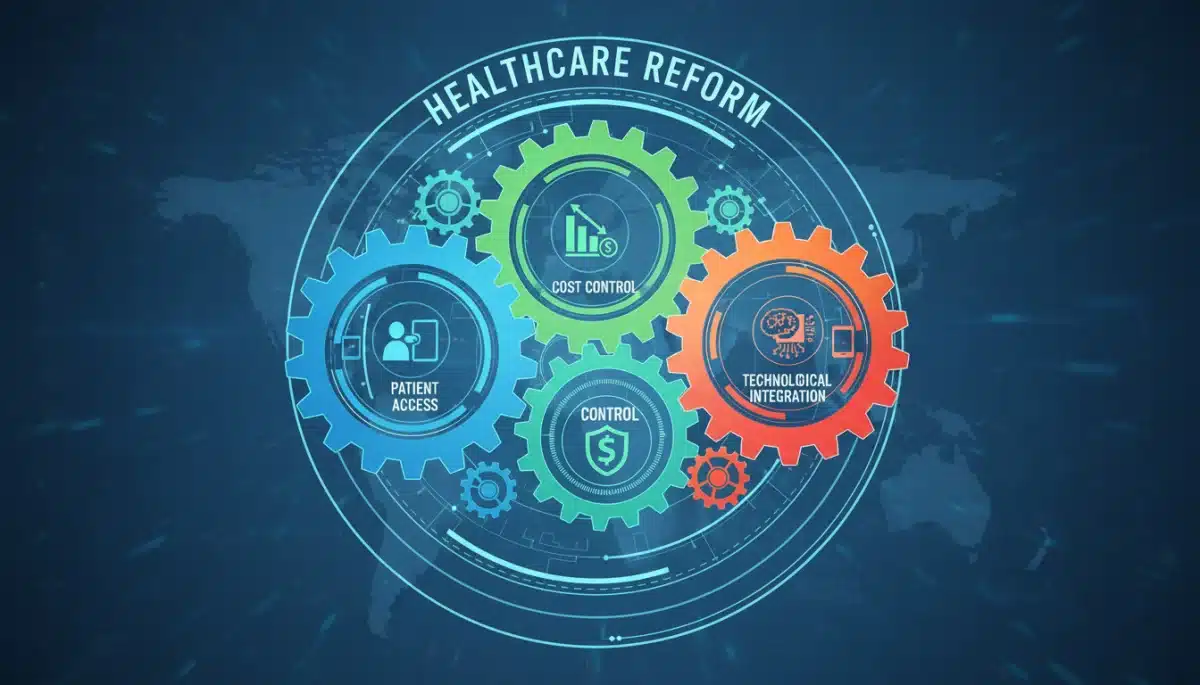
Major healthcare policy changes expected by the end of 2026 will reshape the landscape of medical access, affordability, and quality for millions of Americans, focusing on proposed reforms.
Anúncios
The landscape of healthcare in the United States is constantly evolving, with significant legislative and regulatory shifts frequently impacting millions. As we approach 2026, understanding the upcoming major healthcare policy changes is crucial for patients, providers, and stakeholders alike. This article delves into the anticipated reforms, offering a comprehensive overview of what to expect.
Anúncios
Understanding the Current Healthcare Landscape
Before examining future reforms, it is essential to grasp the complexities of the current U.S. healthcare system. It is a multifaceted environment characterized by a mix of public and private insurance, varying access to care, and ongoing debates about cost and quality.
The existing framework, largely influenced by the Affordable Care Act (ACA), has expanded coverage but still leaves millions uninsured or underinsured. High deductibles, rising prescription drug costs, and disparities in care based on geography or socioeconomic status remain pressing concerns. These foundational issues often drive the impetus for new policy considerations.
Key Challenges Driving Reform
- Affordability: The escalating cost of premiums, deductibles, and out-of-pocket expenses continues to burden families and individuals.
- Access to Care: Geographic disparities, particularly in rural areas, limit access to specialists and essential services.
- Quality and Outcomes: While advanced, the system faces challenges in ensuring consistent quality and improving patient outcomes across all demographics.
- Prescription Drug Costs: The high price of medications remains a significant financial stressor for many Americans.
The current system’s intricate web of regulations and market forces means that any proposed change inevitably has far-reaching consequences. Policymakers are constantly balancing innovation, cost containment, and equitable access. Understanding these dynamics is the first step toward appreciating the potential impact of upcoming reforms.
Anticipated Legislative Reforms: Expanding Access and Affordability
As we look towards the end of 2026, several legislative initiatives are on the horizon, aiming to refine or overhaul aspects of healthcare. These proposed reforms largely focus on enhancing access to care and making it more affordable for a broader segment of the population.
One primary area of focus involves strengthening the ACA, potentially through increased subsidies or expanding Medicaid in states that have yet to do so. Such measures would directly impact enrollment numbers and reduce financial barriers for low-income individuals. Another angle includes exploring new mechanisms for universal healthcare coverage, although the political feasibility of such sweeping changes remains a subject of intense debate.
Proposed Changes to Health Insurance Markets
Lawmakers are also considering interventions in private health insurance markets. These might include:
- Premium Stabilization: Implementing federal reinsurance programs to help insurers cover high-cost claims, thereby lowering overall premiums.
- Standardized Plans: Requiring insurers to offer standardized plans with consistent benefits, simplifying choices for consumers.
- Transparency Requirements: Mandating greater transparency in pricing and coverage details to empower consumers with better information.
These reforms aim to create a more stable and predictable insurance market, reducing the volatility that often plagues individual and small group plans. The goal is to ensure that more Americans can afford and utilize comprehensive health coverage without facing unexpected financial hardships. The discussions around these legislative reforms are ongoing, with various proposals being debated in Congress and among advocacy groups.
Addressing Prescription Drug Costs: New Strategies and Regulations
The high cost of prescription drugs is a perennial concern for American families and a major driver of healthcare expenditures. By 2026, significant policy changes are expected to target this issue, aiming to bring down prices and improve affordability.
One key strategy involves expanding the government’s ability to negotiate drug prices, similar to practices in other developed nations. This approach could leverage the purchasing power of federal programs like Medicare to secure lower prices for a wide range of medications. Another avenue under consideration is increasing competition in the pharmaceutical market.
Initiatives to Lower Drug Prices
- Medicare Price Negotiation: Expanding the scope of drugs subject to negotiation by Medicare, potentially including more high-cost medications.
- Biosimilar and Generic Promotion: Streamlining the approval process for generic and biosimilar drugs to foster greater market competition.
- Importation Policies: Exploring safe drug importation from countries with lower prices, under strict regulatory oversight.
These policy shifts are designed to challenge the current pricing models of pharmaceutical companies, which often lead to higher costs for consumers. While the industry frequently cites research and development expenses as justification for high prices, policymakers are increasingly looking for ways to balance innovation with accessibility. The debate over how best to achieve this balance is complex, involving various stakeholders and economic considerations. The anticipated reforms represent a concerted effort to alleviate the financial burden of essential medications on patients.
Impact on Healthcare Providers and Delivery Systems
Major healthcare policy changes by 2026 will not only affect patients and insurers but also significantly impact healthcare providers and the overall delivery system. Reforms are anticipated to influence how care is delivered, reimbursed, and integrated across various settings.
A growing emphasis on value-based care models is expected to continue, moving away from fee-for-service payments. This shift incentivizes providers to focus on patient outcomes, quality of care, and cost-efficiency, rather than simply the volume of services provided. Such models often involve bundled payments for episodes of care or accountable care organizations (ACOs) that share savings with payers.
Transformations in Care Delivery
- Telehealth Expansion: Permanent integration and reimbursement for telehealth services, recognizing its role in expanding access, especially in remote areas.
- Care Coordination: Enhanced support for care coordination programs to improve transitions between different care settings and reduce readmissions.
- Preventive Care Focus: Increased investment and reimbursement for preventive services to promote population health and reduce chronic disease burden.
These changes aim to create a more integrated, patient-centered healthcare system that prioritizes proactive health management over reactive treatment. Providers will need to adapt to new reporting requirements, technology integrations, and collaborative care models. The goal is to optimize resources, improve efficiency, and ultimately deliver better health outcomes for patients across the nation. The transition will require substantial investment in infrastructure and training for healthcare professionals.
Technological Advancements and Digital Health Integration
The rapid pace of technological innovation is poised to play a crucial role in the upcoming healthcare policy changes. By 2026, policies are expected to further integrate digital health solutions, leveraging technology to improve efficiency, access, and patient engagement.
Electronic health records (EHRs) interoperability will likely be a major focus, ensuring that patient data can be seamlessly shared between different providers and health systems. This enhances care coordination and reduces medical errors. Furthermore, the expansion of artificial intelligence (AI) and machine learning in diagnostics, treatment planning, and personalized medicine will necessitate new regulatory frameworks to ensure ethical use and patient safety.
Policy Support for Digital Health
Government initiatives are expected to support:
- Interoperability Standards: Developing and enforcing unified standards for health information exchange across all platforms.
- Data Security and Privacy: Strengthening regulations like HIPAA to protect sensitive patient data in an increasingly digital environment.
- Innovation Incentives: Providing grants and incentives for the development and adoption of new health technologies, particularly in underserved areas.
The integration of digital health tools promises to revolutionize healthcare delivery, making it more personalized and efficient. However, it also presents challenges related to data security, equity of access, and the need for a skilled workforce capable of utilizing these technologies effectively. Policies will need to strike a balance between fostering innovation and safeguarding patient interests in this evolving digital landscape.
Public Health Initiatives and Preventive Care Emphasis
Beyond individual care, the upcoming policy changes are expected to place a stronger emphasis on public health initiatives and preventive care. Recognizing that population health is a critical component of a resilient healthcare system, reforms will likely focus on addressing social determinants of health and promoting wellness.
This includes increased funding for public health departments, community-based health programs, and initiatives aimed at tackling health disparities. Policies may also target chronic disease prevention through education, lifestyle interventions, and easier access to preventive screenings. The goal is to shift from a reactive, illness-focused model to a proactive, wellness-oriented approach.
Key Areas of Public Health Focus
- Social Determinants of Health: Addressing factors like housing, food security, and education that significantly impact health outcomes.
- Mental Health Integration: Expanding access to mental health services and integrating them more seamlessly into primary care.
- Vaccination Programs: Strengthening public health infrastructure to support widespread vaccination efforts and respond to emerging health threats.
These policy directions reflect a broader understanding that health is not solely determined by medical interventions but also by the environments in which people live, work, and age. By investing in public health and preventive care, the aim is to create a healthier society, reduce the burden of preventable diseases, and ultimately lower overall healthcare costs. The success of these initiatives will depend on robust funding, cross-sector collaboration, and sustained public engagement.
| Key Policy Area | Brief Description of Reform |
|---|---|
| Access & Affordability | Proposed enhancements to ACA subsidies and potential Medicaid expansion for broader coverage. |
| Prescription Drug Costs | Expanded government negotiation power and promotion of generic/biosimilar drugs to lower prices. |
| Provider Reimbursement | Shift towards value-based care models, incentivizing quality and outcomes over service volume. |
| Digital Health | Focus on EHR interoperability and ethical AI integration to enhance efficiency and patient care. |
Frequently Asked Questions About Healthcare Policy Changes
The primary goals include enhancing access to care, improving affordability of health insurance and prescription drugs, promoting value-based care models, and strengthening public health initiatives across the United States.
Proposed reforms aim to stabilize health insurance markets through measures like increased subsidies or reinsurance programs, which could potentially lead to lower premiums or more manageable out-of-pocket costs for many individuals.
Yes, policies focused on expanding government drug price negotiation and promoting generic/biosimilar competition are specifically designed to reduce prescription drug costs and improve their affordability for consumers.
Technology will be crucial, with policies supporting enhanced interoperability of electronic health records, expanded telehealth services, and ethical integration of AI to improve efficiency, access, and personalized care delivery.
There’s an expected increase in focus and funding for public health initiatives, addressing social determinants of health, and expanding preventive care services to foster a healthier population and reduce the burden of chronic diseases.
Conclusion
The anticipated major healthcare policy changes by the end of 2026 represent a significant effort to refine and improve the U.S. healthcare system. From enhancing access and affordability to addressing prescription drug costs and leveraging technology, these proposed reforms aim to create a more equitable, efficient, and patient-centered environment. While the path to implementation may be complex, understanding these developments is vital for all Americans as they navigate their health and well-being in the coming years.