Global Economic Outlook 2026: Shaping Your US Portfolio

Anúncios
The Global Economic Outlook 2026 reveals how interconnected international events will significantly influence domestic investment strategies and portfolio performance in the United States.
Anúncios
Understanding the Global Economic Outlook 2026 is crucial for every investor in the United States, as international events increasingly dictate the trajectory of domestic portfolios. As we move further into the decade, the lines between national economies blur, making global awareness not just beneficial, but essential.
Anúncios
The Interconnected Global Economy in 2026
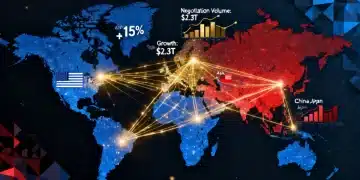
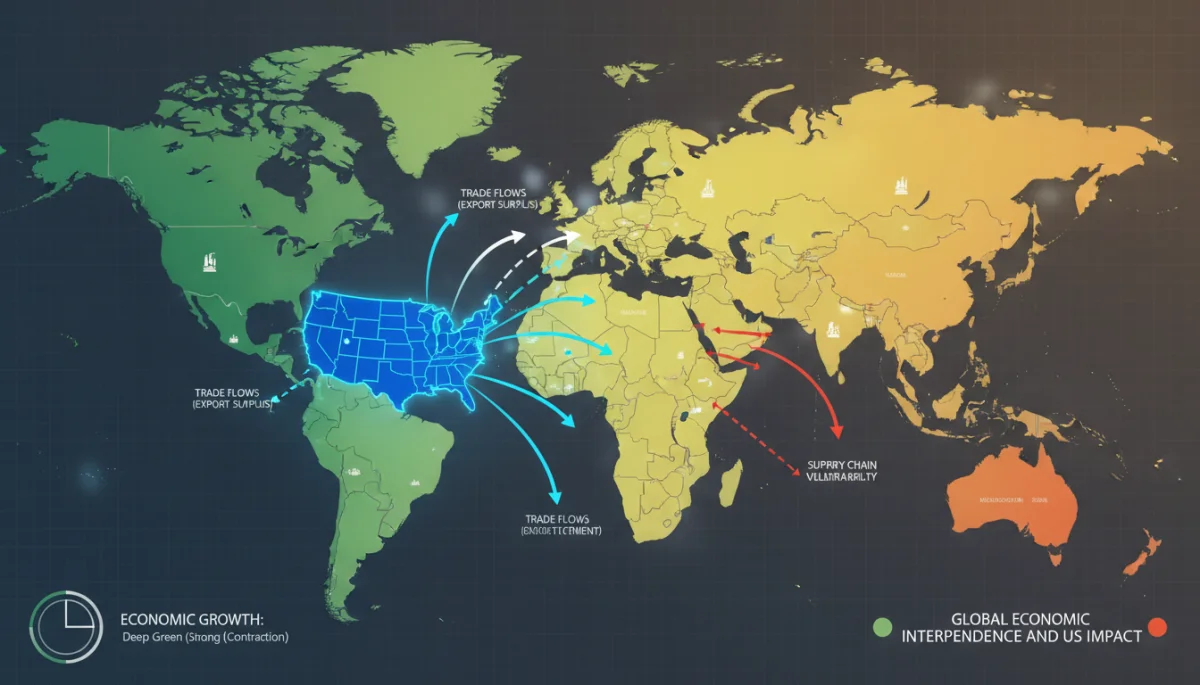
The global economy in 2026 is a complex tapestry woven from geopolitical shifts, technological advancements, and evolving trade relationships. No longer can investors in the United States afford to focus solely on domestic indicators; international events now ripple through markets with unprecedented speed and impact. From supply chain disruptions to currency fluctuations, the world’s economic health directly influences the performance of your investment portfolio.
Understanding these intricate connections requires a nuanced perspective, recognizing that a seemingly distant conflict or a groundbreaking innovation in another continent can directly affect your local stock prices. The sheer volume of information can be overwhelming, but discerning the key drivers of global economic change is paramount for informed decision-making.
Geopolitical Tensions and Market Volatility
Geopolitical tensions remain a significant factor shaping the global economic landscape. Conflicts, trade disputes, and diplomatic shifts can introduce considerable volatility into financial markets worldwide, including those in the United States. Investors must monitor these developments closely, as they can lead to sudden shifts in investor sentiment and capital flows.
- Regional Conflicts: Unrest in key resource-producing regions can drive up commodity prices, affecting manufacturing and consumer spending.
- Trade Wars: Imposed tariffs and retaliatory measures disrupt global supply chains and impact corporate earnings for multinational companies.
- Political Instability: Elections and leadership changes in major economies can introduce uncertainty, causing market jitters and currency fluctuations.
These geopolitical undercurrents demand a proactive approach to portfolio management, emphasizing diversification and strategic asset allocation to mitigate potential risks. Ignoring these external pressures would be a significant oversight for any investor aiming for long-term stability and growth.
Technological Innovation: A Double-Edged Sword for Investments
Technological innovation continues to be a primary driver of economic growth, but it also presents unique challenges and opportunities for investors. In 2026, advancements in artificial intelligence, biotechnology, and renewable energy are reshaping industries and creating new investment frontiers. However, these rapid changes also bring the risk of disruption to traditional sectors and the need for constant adaptation.
The pace of innovation means that companies must continually evolve, or risk obsolescence. For investors, this translates into a need for thorough due diligence and a focus on companies with strong research and development pipelines, as well as those demonstrating adaptability. Understanding which technologies are poised for widespread adoption and which might fade is key to successful long-term investing.
Emerging Technologies and Sectoral Impact
Specific technological breakthroughs are set to have profound impacts across various sectors. AI’s integration into manufacturing, healthcare, and finance promises increased efficiency and new service models. Similarly, advancements in sustainable energy are not just environmental imperatives but also significant economic opportunities.
- Artificial Intelligence: AI’s applications in automation and data analysis can boost productivity but may also displace certain job categories.
- Biotechnology: Breakthroughs in medicine and genetics offer immense growth potential but come with regulatory and ethical considerations.
- Green Energy: Investments in solar, wind, and other renewable sources are driven by climate goals and decreasing costs, creating a burgeoning market.
These innovations necessitate a dynamic investment strategy, where portfolios are regularly reviewed and adjusted to capitalize on emerging trends while minimizing exposure to industries facing significant disruption. The ability to identify and invest in the technologies of tomorrow will be a critical differentiator for investors in 2026.
Inflationary Pressures and Central Bank Policies
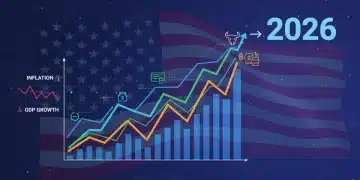
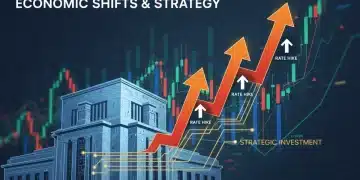
Inflationary pressures remain a persistent concern, directly influencing purchasing power and investment returns. Central banks globally, including the Federal Reserve in the United States, are grappling with the delicate balance of controlling inflation without stifling economic growth. Their policy decisions, particularly regarding interest rates, have far-reaching implications for domestic portfolios.
Higher interest rates can make borrowing more expensive, impacting corporate profits and consumer spending, while lower rates can stimulate economic activity but risk fueling inflation further. The global nature of supply chains and commodity markets means that inflationary pressures are often imported, making it challenging for any single central bank to act in isolation. Investors must therefore pay close attention to monetary policy statements and economic indicators from major global economies.
The Fed’s Role and Global Repercussions
The Federal Reserve’s actions have a disproportionate impact on global financial markets due to the dollar’s status as the world’s reserve currency. Any shift in US monetary policy can trigger capital flows, currency fluctuations, and adjustments in global interest rates, affecting everything from emerging market debt to European equities.
- Interest Rate Hikes: Can attract foreign capital to the US, strengthening the dollar but potentially making US exports more expensive.
- Quantitative Tightening: Reduces liquidity in the financial system, which can impact asset prices globally.
- Inflation Targets: The Fed’s commitment to specific inflation targets influences market expectations and investment strategies.
Navigating this environment requires understanding the interplay between domestic and international monetary policies. A diversified portfolio that considers different currency exposures and interest-rate-sensitive assets can help cushion against unexpected policy shifts and their global repercussions.
Supply Chain Resilience and Global Trade Dynamics
The vulnerabilities exposed in global supply chains during recent years have led to a renewed focus on resilience and diversification. In 2026, companies and governments are actively working to reconfigure trade routes, reshore production, and build more robust logistics networks. These shifts in global trade dynamics have significant implications for industries and investment opportunities.
The move away from hyper-efficient but fragile supply chains towards more resilient, albeit potentially more costly, alternatives will impact corporate profitability and consumer prices. Investors need to assess companies’ exposure to international supply chain risks and their strategies for adapting to these new realities. Companies that successfully navigate these changes will likely emerge stronger, offering more stable investment prospects.
Nearshoring and Friendshoring Trends
Concepts like nearshoring (relocating production closer to end markets) and friendshoring (relocating production to politically aligned countries) are gaining traction. These trends aim to reduce geopolitical risk and improve supply chain reliability, but they also bring their own set of economic consequences.
- Increased Costs: Moving production can involve higher labor or operational costs, potentially impacting profit margins.
- Regional Growth: Countries benefiting from nearshoring or friendshoring could see increased economic activity and job creation.
- Investment Opportunities: New infrastructure, logistics, and manufacturing facilities will require significant investment, creating opportunities.
These evolving trade dynamics underscore the importance of understanding global manufacturing trends and their impact on specific industries. Investors should look for companies that are strategically positioning themselves to benefit from these shifts, whether through reshoring efforts or by developing innovative supply chain solutions.
Energy Transition and Commodity Markets
The global energy transition continues to accelerate, driven by climate change concerns and technological advancements. In 2026, this transition profoundly impacts commodity markets, particularly for fossil fuels and critical minerals essential for renewable energy technologies. The shift creates both risks for traditional energy investments and immense opportunities in the green energy sector.
Fluctuations in oil and gas prices, influenced by geopolitical events and production decisions, will continue to affect various sectors. Simultaneously, the demand for minerals like lithium, cobalt, and rare earth elements, crucial for batteries and renewable energy infrastructure, is surging. This creates a complex landscape where traditional commodity plays are juxtaposed with emerging green commodity markets.
Impact on Traditional and Green Commodities
The dual pressures of declining demand for fossil fuels in some regions and increasing demand for green energy components create a dynamic and sometimes volatile commodity market. Investors must consider both the long-term trajectory of the energy transition and short-term market fluctuations.
- Oil and Gas: Prices remain sensitive to supply shocks and geopolitical instability, despite long-term transition trends.
- Critical Minerals: Demand for battery and renewable energy components is skyrocketing, leading to potential supply bottlenecks and price volatility.
- Carbon Markets: The growth of carbon credit markets and carbon pricing mechanisms introduces new financial instruments and investment considerations.
A balanced approach to commodity investing in 2026 involves assessing the resilience of traditional energy companies while also identifying promising ventures in the renewable energy supply chain. Diversification across different commodity types and an understanding of the underlying demand drivers are crucial for navigating this evolving landscape.
Emerging Markets: Growth Engines and Risk Factors
Emerging markets continue to be critical growth engines for the global economy, offering diversification benefits and potentially higher returns for investors willing to accept greater risk. In 2026, countries in Asia, Latin America, and Africa are projected to contribute significantly to global GDP growth, driven by expanding middle classes, urbanization, and technological adoption.
However, investing in emerging markets also comes with heightened risks, including political instability, currency volatility, regulatory uncertainties, and less developed financial infrastructures. The interplay between global interest rates, commodity prices, and local economic policies can significantly impact the performance of these markets. For US investors, understanding these nuances is key to judiciously integrating emerging market exposure into their domestic portfolios.
Opportunities and Challenges in Key Regions
Different emerging markets present distinct opportunities and challenges. While some benefit from strong demographic trends and natural resources, others are making strides in technological innovation and manufacturing. The key is to differentiate between markets based on their specific economic fundamentals and risk profiles.
- Asia: Continues to lead in manufacturing and technological innovation, but geopolitical tensions and trade relations are significant factors.
- Latin America: Rich in natural resources and seeing increasing urbanization, but often faces political instability and currency fluctuations.
- Africa: Offers long-term growth potential driven by a young population and abundant resources, though infrastructure and governance remain challenges.
For US investors, a thoughtful allocation to emerging markets can enhance portfolio diversification and growth potential, provided it is underpinned by thorough research and a clear understanding of the associated risks. Engaging with expert analysis and considering diversified emerging market funds can be a prudent strategy to capitalize on these global growth engines while managing exposure.
| Key Economic Driver | Impact on US Portfolio |
|---|---|
| Geopolitical Shifts | Increased market volatility, commodity price fluctuations, supply chain disruptions. |
| Technological Innovation | New investment opportunities in AI, biotech; disruption to traditional sectors. |
| Inflation & Central Bank Policy | Affects interest rates, corporate earnings, and purchasing power; currency strength. |
| Energy Transition | Shifts in commodity demand; opportunities in green energy; risks for fossil fuel investments. |
Frequently Asked Questions About the 2026 Global Economic Outlook
Global inflation trends in 2026 will likely influence US interest rates and corporate earnings. Higher inflation abroad can lead to imported inflation, impacting the Federal Reserve’s monetary policy and potentially reducing the real returns on your investments. Diversifying into inflation-hedging assets may be beneficial.
Geopolitical events are pivotal in the 2026 economic outlook, creating market volatility and influencing supply chains. Conflicts or trade disputes can disrupt commodity flows, impact multinational corporate profits, and shift investor sentiment, directly affecting the performance of your US-based portfolio.
Emerging markets offer significant growth potential in 2026, driven by demographics and industrialization. While they can provide diversification and higher returns, they also carry increased risks like currency volatility and political instability. A careful, diversified approach with thorough research is recommended for US investors.
Technological advancements, especially in AI and green energy, will create new investment opportunities in 2026 while potentially disrupting traditional industries. Your portfolio should reflect an awareness of these shifts, favoring companies that innovate and adapt, potentially through sector-specific ETFs or direct investments in growth areas.
The global energy transition in 2026 implies a shift in commodity demand, with increased focus on critical minerals for renewables and potential volatility in fossil fuels. This creates opportunities in clean energy and related technologies, but also risks for portfolios heavily exposed to traditional energy sectors. Diversification is key.
Conclusion
The Global Economic Outlook 2026 underscores a fundamental truth for investors in the United States: the world is inextricably linked. From geopolitical shifts and technological leaps to inflationary pressures and the accelerating energy transition, international events will continue to shape domestic portfolios in profound ways. Proactive engagement with global trends, strategic diversification, and a commitment to continuous learning are not just advantageous but essential for navigating the complexities of the modern financial landscape. By staying informed and adaptable, investors can position themselves to not only mitigate risks but also seize the numerous opportunities that this dynamic global environment presents.